
Colon cleansing foods are the questions we ask when we hit 30’s and especially 40’s.
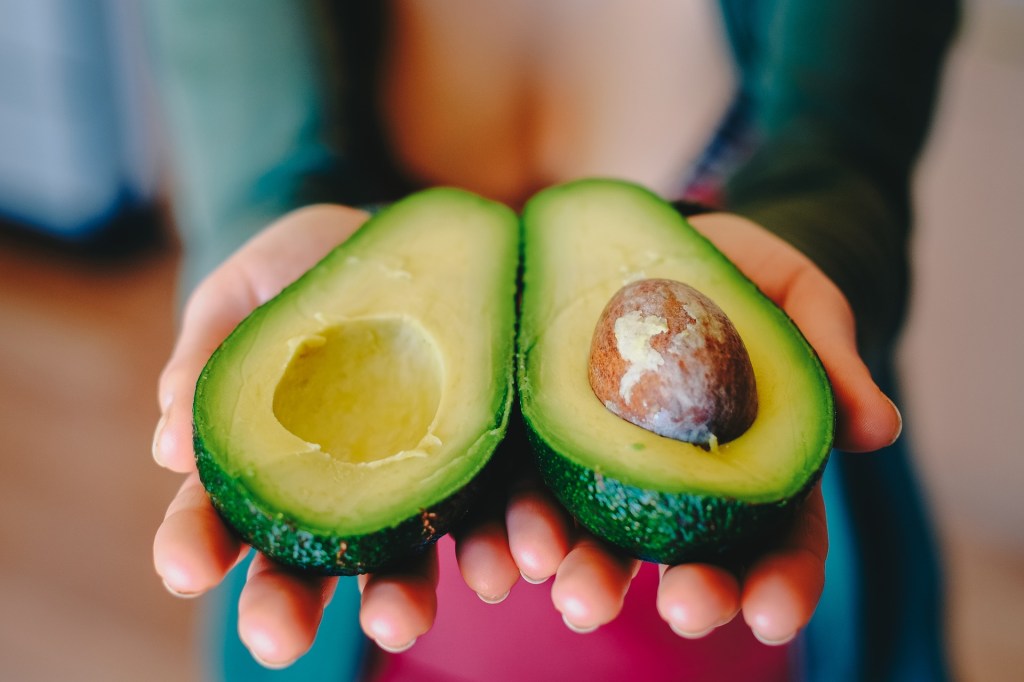
Taste is one of the pleasures that God gave us, and as long as it tastes delicious, we don’t care if it’s good for our health or not.
But before knowing the foods that could help cleans our colon, we must know first what are the foods that could hurt them. And the top 3 Food that could cause colon cancer.
Here are the Top 10 (Ten) worst food for digestion.
- Fried Foods
- Citrus Fruits
- Artificial Sugar
- Too Much Fiber
- Beans
- Cabbage and Its Cousins
- Fructose
- Spicy Foods
- Dairy Products
- Peppermint
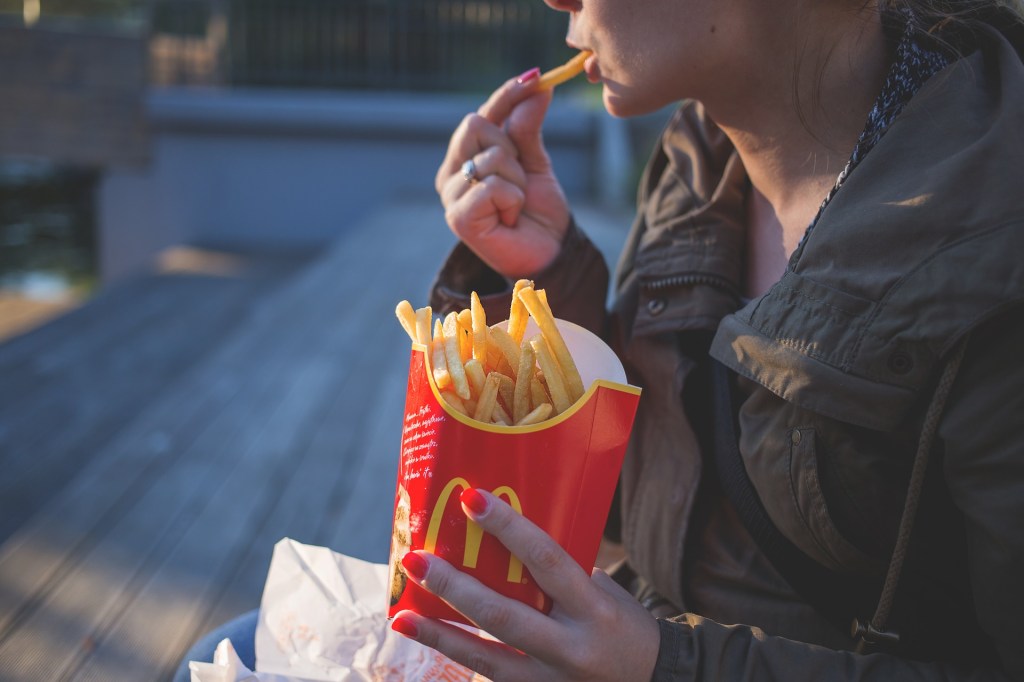
Fried Foods
All fried foods are bad for your health, they’re high in fat that can bring diarrhea. Fat in meat, butter, or even creamy desserts can cause problems.
Sauces, fatty cuts of meat, and buttery or creamy desserts can cause problems, too.
Choose roasted or baked foods and light sauces that feature vegetables instead of butter or cream.
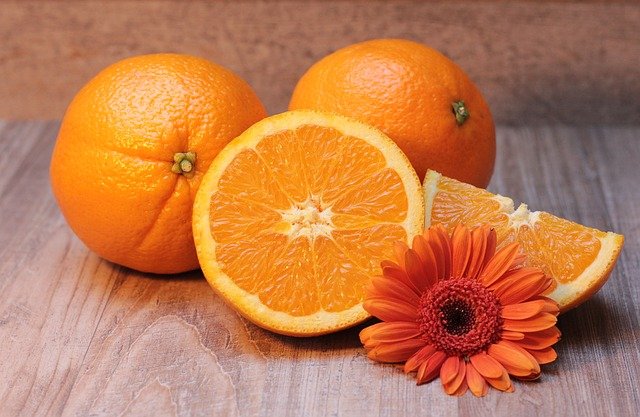
Citrus Fruits
Because they’re high in fiber, they can give some folks an upset stomach. Go easy on oranges, grapefruit, and other citrus fruits if your belly doesn’t feel right.
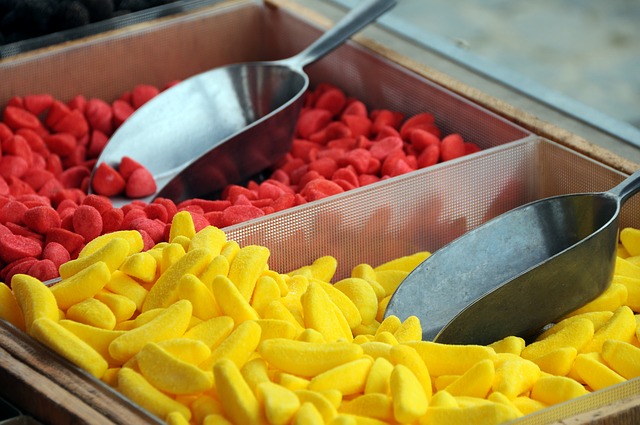
Artificial Sugar
Chew too much sugar-free gum made with sorbitol and you might get cramps and diarrhea. Food made with this artificial sweetener can cause the same problems.
The FDA warns that you might get diarrhea if you eat 50 or more grams a day of sorbitol, though even much lower amounts reportedly cause trouble for some people.
Too Much Fiber
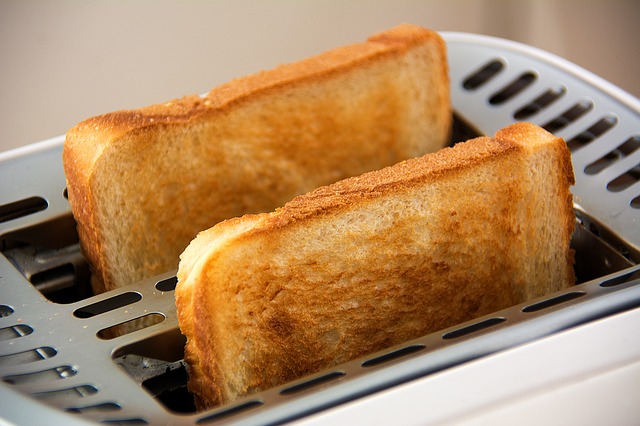
Foods high in this healthy carb, like whole grains and vegetables, are good for digestion. But if you start eating lots of them, your digestive system may have trouble adjusting. The result: gas and bloating. So step up the amount of fiber you eat gradually.
Beans
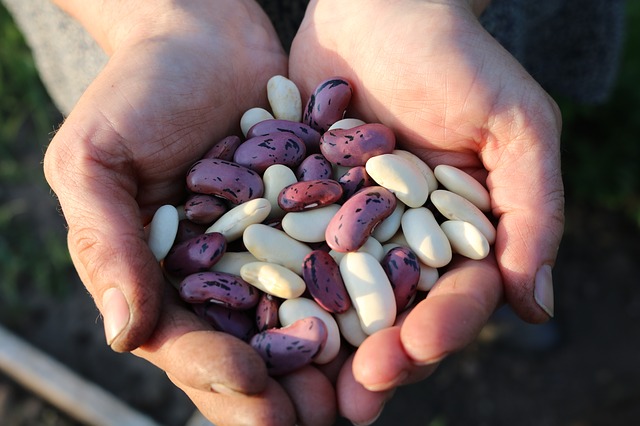
They’re loaded with healthy protein and fiber, but they also have hard-to-digest sugars that cause gas and cramping. Your body doesn’t have enzymes that can break them down. Bacteria in your gut do the work instead, giving off gas in the process.
Try this tip to get rid of some of the troublesome sugars: Soak dried beans for at least 4 hours and pour off the water before cooking.
Cabbage and Its Cousins
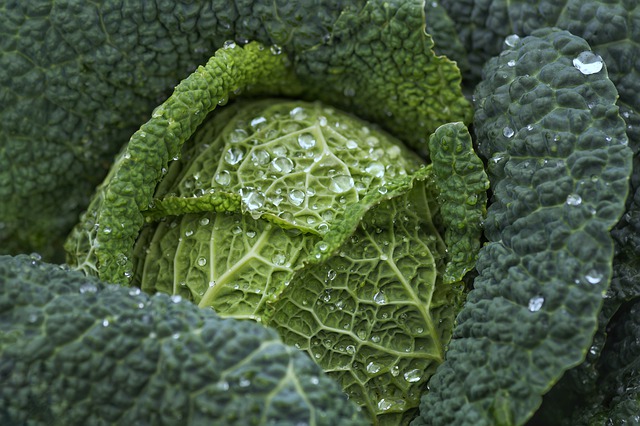
Cruciferous vegetables, like broccoli and cabbage, have the same sugars that make beans gassy. Their high fiber can also make them hard to digest. It will be easier on your stomach if you cook them instead of eating raw.
Or much better, blanching them (boil or steam for a short time) for easy digestion and not removing the vitamins and minnerals from the vegetables.
Fructose
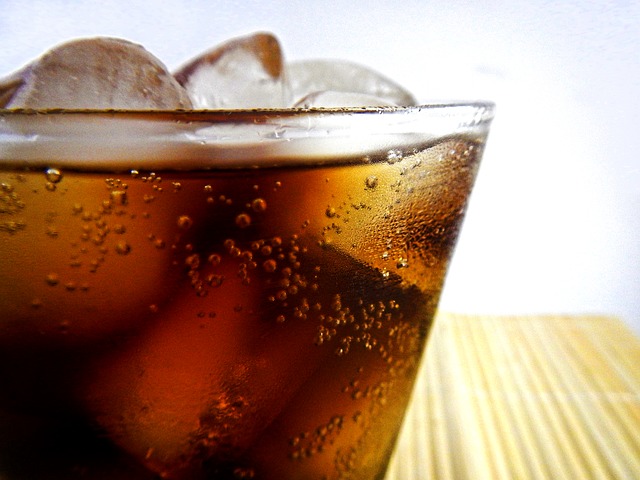
Foods sweetened with this — including sodas, candy, fruit juice, and pastries — are hard for some people to digest. That can lead to diarrhea, bloating, and cramps.
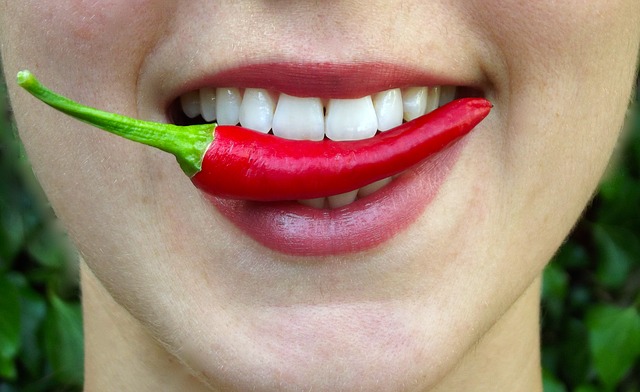
Spicy Foods
Some people get indigestion or heartburn after eating them, especially when it’s a large meal.
Studies suggest the hot ingredient in chili peppers, called capsaicin, may be a culprit.
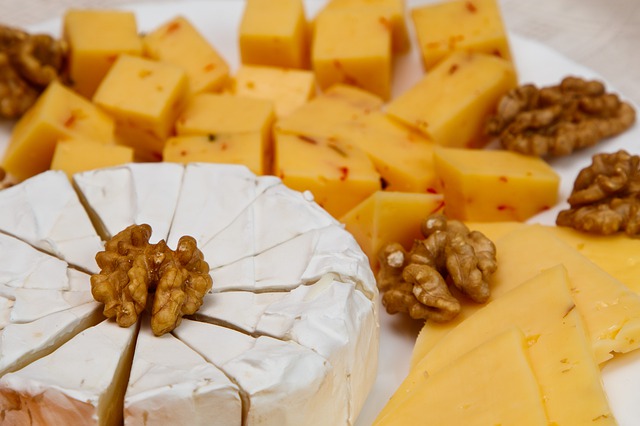
Dairy Products
If they trigger diarrhea, bloating, and gas, you may be “lactose intolerant.” It means you don’t have an enzyme that digests a sugar in milk and other forms of dairy.
Avoid those foods or try an over-the-counter drop or pill that has the missing enzyme.

Peppermint
It can relax the muscle at the top of the stomach, which lets food move back into your esophagus. That can cause heartburn. Other culprits include chocolate or coffee.
Experts say you can lower the pressure that pushes the food back up if you lose extra weight, eat smaller portions, and don’t lie down after eating.
Also, learn what foods give you problems, so you can avoid them.
We now know the products that are not good for our digestions, we must know what are the products that could cause colon cancer.
Top 3 Foods that could increase Colon Cancer
- Processed and Red Meats
- White Flour Food
- Sugary Drinks
Procesed and Red Meats
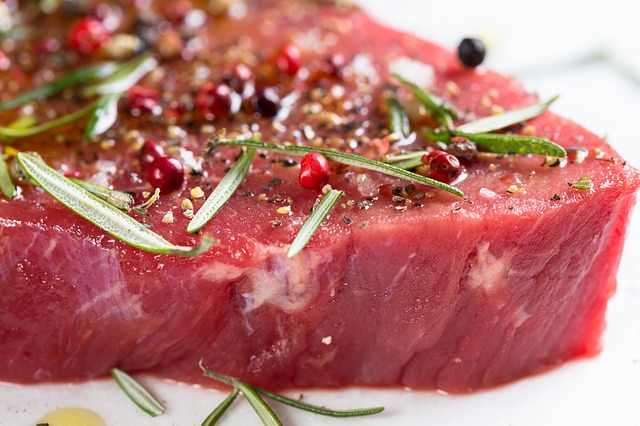
While that bacon, salami or beef may look appetizing, you may want to take a closer look at how much of it you’re eating.
In 2015, the World Health Organization (WHO) declared that processed meats (such as hot dogs, bacon, lunch meat and salami) cause cancer. They also said that red meats (such as beef, pork, veal and lamb) likely cause cancer as well.
Researchers found that eating 50 grams of processed meat every day (equivalent to one hot dog or four strips of bacon) may increase your risk of colon cancer by 18 percent.
While the report doesn’t say that you should stop eating these meats altogether, it does urge caution and moderation.
To reduce your risk of colon cancer, consider swapping red meats for poultry and fish.
White Flour Foods

Just like processed meats, processed grains can also increase your risk of colon cancer.
Refined grains in white bread and other white flour foods can increase blood sugar levels, which lead to insulin resistance. This can raise your risk of colon cancer—as well as other cancers like kidney cancer.
Grains are also a leading source of fiber in people’s diets. But because they are so processed, white flour foods do not have as much fiber as whole grain foods.
Choosing whole grain bread, pasta and oats can increase your fiber intake and reduce your colon cancer risk.
Sugary Drinks

Sugary drinks are everywhere. Depending on where you are, it may even be easier to get a soda than a bottle of water.
While studies have shown the link between sugary drinks and obesity, they may cause cancer as well.
“The sugar in drinks like soda can lead to chronic inflammation,” said Dr. Protyniak. “Inflammation can lead to many different cancers throughout the body—including colon cancer.”
To avoid colon cancer, replace your sugary drinks with water and other low-calorie and low-sugar alternatives.
Above are the food that you must avoid or if you could not, better to minimize the consumption to live longer.
4 Colon Cleansing Food that will also improve your digension
Whole Grains
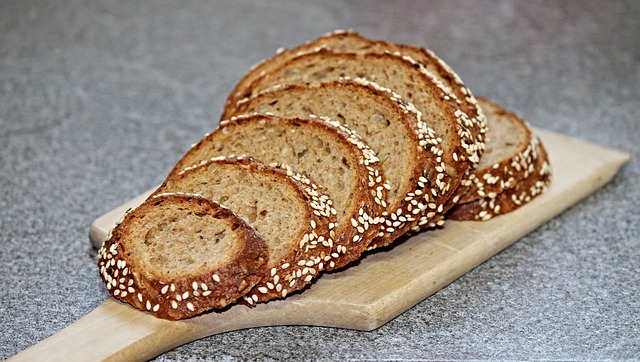
If you want your gut to work better, choose whole grains, adding that optimal colon function requires at least 25 grams of fiber daily. Compared to refined carbohydrates, like white bread and pasta, whole grains provide lots of fiber, as well as added nutrients, such as omega-3 fatty acids.
“When gut bacteria ferment fiber, they produce short-chain fatty acids,” Lee says. These molecules encourage proper function in the cells lining the colon, where 70 percent of our immune cells live.
Despite the popularity of low-carb diets for weight loss, Lee says avoiding grains altogether may not be so great for the good gut bacteria that thrive on fiber.
Leafy Greens
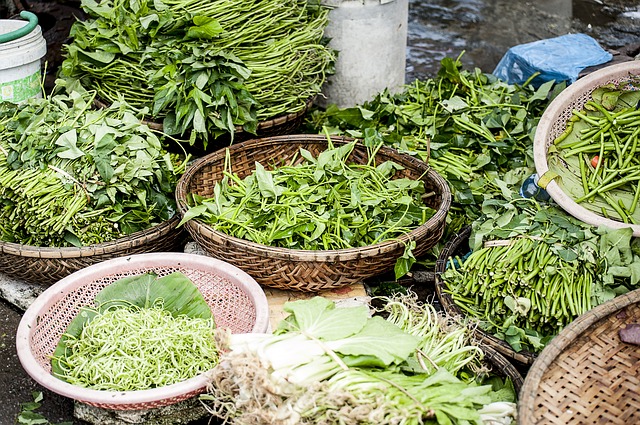
Leafy greens, such as spinach or kale, are excellent sources of fiber, as well as nutrients like folate, vitamin C, vitamin K and vitamin A. Research shows that leafy greens also contain a specific type of sugar that helps fuel growth of healthy gut bacteria.
Lean Protein
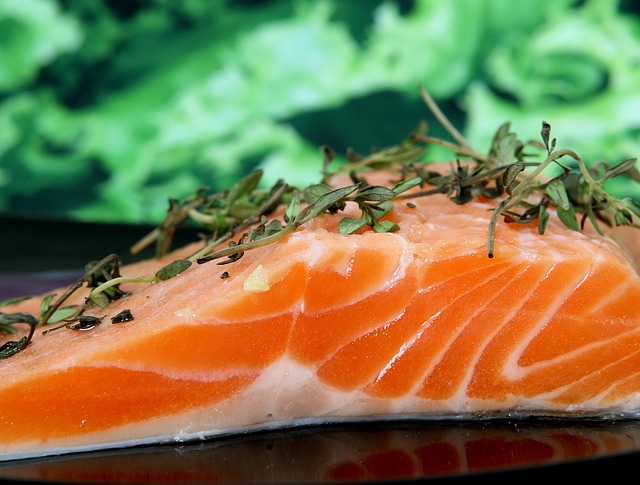
Lean meats are a good source of protein and have fewer calories than non-lean meats. Lean meats are popular amongst people following low calorie and low fat diets. Poultry is a good source of selenium, vitamins B3 and B6, and choline.
Here are 13 lean protein foods you should consider.
- White-Fleshed Fish
- Plain Greek Yogurt
- Beans, Peas and Lentils
- Skinless, White-Meat Poultry
- Low-Fat Cottage Cheese
- Lite Tofu
- Lean Beef
- Powdered Peanut Butter
- Low-Fat Milk
- Pork Loin
- Frozen Shrimp
- Egg Whites
- Bison or Buffalo
Low Sugar Fruits
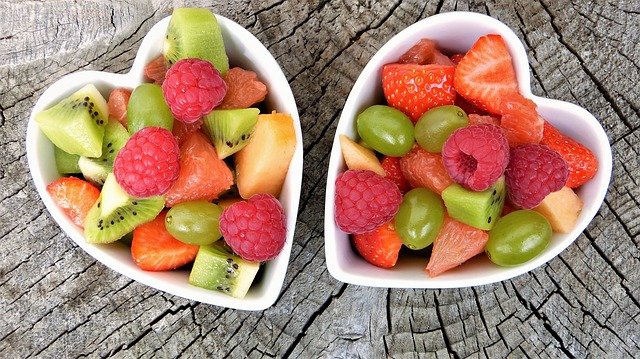
Fruit contains two types of sugar: fructose and glucose. The proportions of each vary, but most fruits are about half glucose and half fructose. Glucose raises blood sugar, so the body must use insulin to metabolize it. Fructose does not raise blood sugar.
Here are the best Less Sugary Fruits
- Strawberries. Strawberries, like many other berries, are often high in fiber and contain very little sugar.
- Peaches. Although they taste sweet, a medium sized peach only contains around 13 g of sugar.
- Blackberries.
- Lemons and limes.
- Honeydew melon.
- Oranges.
- Grapefruit.
- Avocados.

Avocado is a superfood packed with fiber and essential nutrients, such as potassium, which helps promote healthy digestive function. It’s also a low-fructose food, so it’s less likely to cause gas.
Foods that are healthy on our body is hard to find, especially if you have low access to all of this delish.
We can still protect our selves from the so called colon cancer or other intestinal problemms.
This will help to protect your colon
- Replenish your Good Bacteria
- Protect against occasional digestive upsets
- Restore your natural digestive balance
- Support a healthy immune system
- Help improve lactose intolerance

Sources:
https://www.webmd.com/digestive-disorders/ss/slideshow-foods-to-avoid
https://www.geisinger.org/health-and-wellness/wellness-articles/2018/03/09/21/21/3-foods-that-could-increase-your-risk-of-colon-cancer
https://www.healthline.com/nutrition/lean-protein-foods
https://www.medicalnewstoday.com/articles/320078
https://www.hopkinsmedicine.org/health/wellness-and-prevention/5-foods-to-improve-your-digestion
 COLON CLEANSING